
Food Temperatures: Ensuring Food Safety Through Proper Cooking and Storage

Maintaining proper temperatures during cooking, holding, cooling, and storage remains your strongest defense against foodborne illness.
Temperature control prevents pathogen growth and toxin formation, safeguarding both public health and your brand reputation.
The Temperature Danger Zone is between 41°F and 135°F (5°C – 57°C). This is the temperature range in which bacteria multiply rapidly.
The FDA Food Code defines:
Cold holding at 41°F or below
Hot holding at 135°F or above
Limiting exposure in this revised range is critical for safety.
Why Temperature Matters: Every stage of food handling carries temperature risks. Between 41°F and 135°F (5°C – 57°C), bacteria double in number every 20 minutes. Undercooked or improperly stored foods allow dangerous pathogens, such as Salmonella, E. coli, and Listeria to proliferate.
Cooling Requirements
The FDA Food Code specifies a two‐stage cooling process for Time/Temperature Control for Safety (TCS) foods:
Cool from 135°F to 70°F (57°C – 21°C) within 2 hours
Continue cooling from 70°F to 41°F (21°C – 5°C) within an additional 4 hours
Total cooling time must not exceed 6 hours.
Safe Internal Cooking Temperatures: You will need to use a calibrated probe thermometer inserted into the thickest part of the food. The following table summarizes the minimum internal temperatures required to destroy common pathogens:
Food Category | Minimum Temperature (°F) | Minimum Temperature (°C) |
|---|---|---|
Poultry (whole or ground) | 165 | 74 |
Ground meats (beef, pork, lamb, goat) | 155 | 68 |
Fresh beef, pork, lamb, and veal (steaks, roasts) | 145 | 63 |
Fish and shellfish | 145 | 63 |
Eggs for immediate service | 145 | 63 |
Egg dishes (casseroles, quiches) | 155 | 68 |
Leftovers and reheated foods | 165 | 74 |
Safe Holding and Storage Temperatures: After cooking, timely hot-holding or rapid cooling prevents recontamination and growth:
Stage | Temperature Requirement |
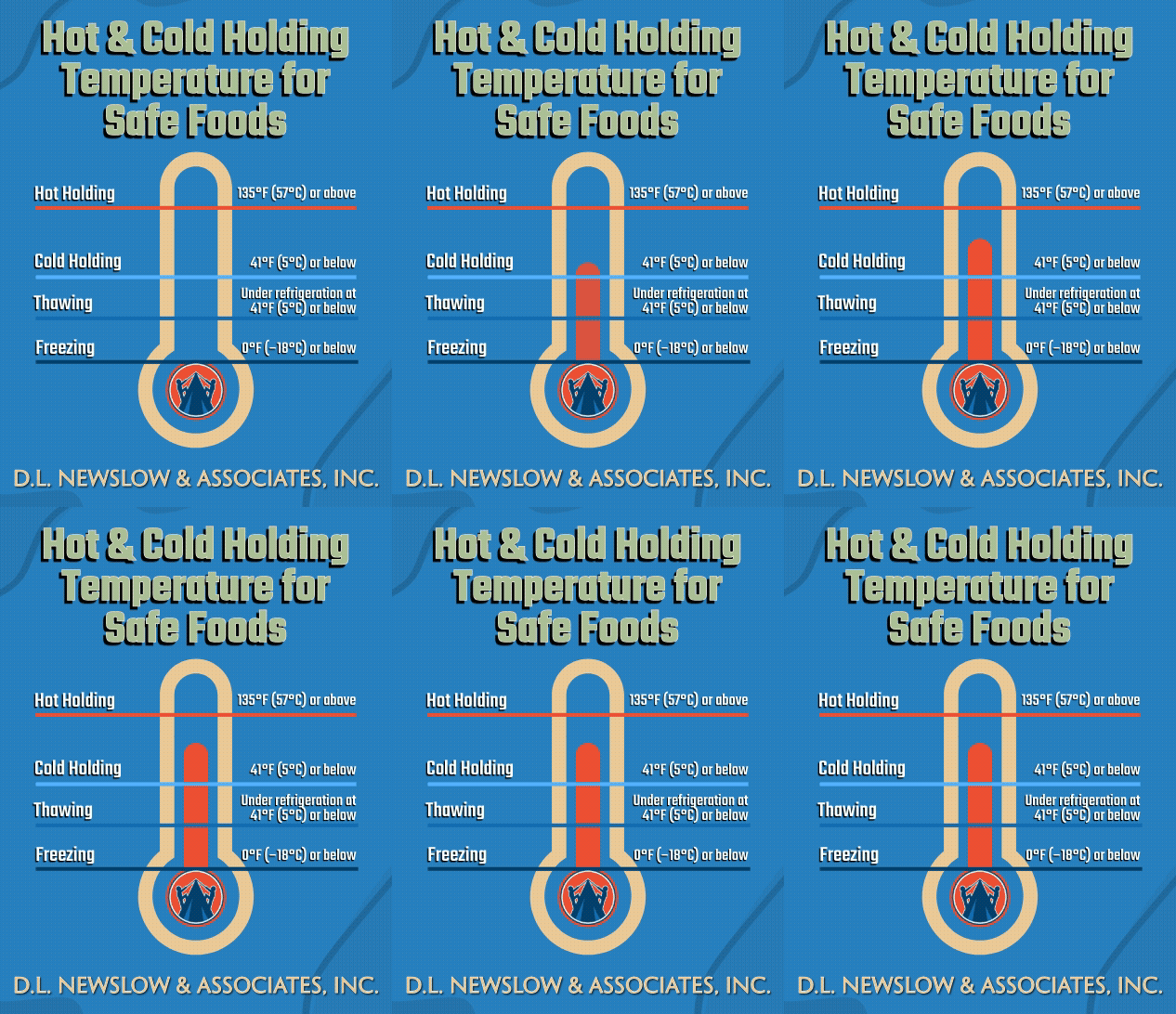
Hot holding | 135°F (57°C) or above |
Cold holding | 41°F (5°C) or below |
Freezing | 0°F (–18°C) or below |
Thawing | Under refrigeration at 41°F (5°C) or below |
Always separate raw proteins from ready‐to‐eat items and avoid overpacking coolers to maintain 41°F or below.
Monitoring and Documentation: Consistent checks and records prove that your team follows temperature protocols:
Calibrate thermometers daily using ice-point and boiling-point methods
Log cooking and holding temperatures at set intervals
Use color-coded charts or digital apps for instant visual cues
Conduct spot audits and review logs weekly
Practices for Temperature Control:
Train staff on proper thermometer use, cleaning, and calibration
Implement time-temperature standard operating procedures (SOPs)
Label and date all items before storing
Rotate stock using the first-in, first-out (FIFO) method
Invest in continuous monitoring systems with alarms for deviations
Mastering cooking and storage temperatures eliminates the single largest risk factor for foodborne illness. Clear SOPs, effective training programs, accurate monitoring, and staff engagement build a strong temperature-control culture that protects consumers and enhances operational excellence.


Comments